Historidex / Ancient history
Ancient history, seen through real objects and sites
Ancient history is easier to picture when you can see the things people made and used. These stories show real objects and sites from before 500 CE, from museum collections that make their images free to use.
Open Historidex Free, no account.Ancient history stories
- Pillars raised by hunter-gatherers 9600 to 8200 BCE, Şanlıurfa Province, Turkey
Hunter-gatherers raised these T-shaped limestone pillars in southeastern Turkey between about 9600 and 8200 BCE, using no metal tools. Some stand about 5 metres tall, and this one is carved with animals. The site was once called the world's first temple, but recent digs have also found remains of houses.
- Ötzi, first mistaken for a climber c. 3300 BCE, Ötztal Alps, Italy
Hikers found a body in Alpine ice in 1991, and authorities first assumed a climber had died in an accident. It was Ötzi, who died about 5,300 years ago, and a 2001 X-ray found an arrowhead in his shoulder. This is a replica of one of his grass-lined shoes.
- The hippo whose legs were broken about 1961 to 1878 BCE, Meir, Upper Egypt
Three legs of this blue hippo were probably broken on purpose so it could not harm the dead in its Egyptian tomb. It is nearly 4,000 years old. A 1931 Punch story about a family that treated a print of it as an oracle gave it the name William.
- A guardian bull with five legs about 883 to 859 BCE, Nimrud, Iraq
Assyrian sculptors gave this guardian bull five legs, so it looks planted from the front and striding from the side. It stood at a palace doorway at Nimrud around 883 to 859 BCE. The Met reads its horned cap as a sign of divinity.
- Ambrosius, the leader Gildas named 5th century, Britain
Gildas, writing in the 500s, never mentions Arthur, but he credits Ambrosius Aurelianus with rallying the Britons against the Saxons before their victory at Badon Hill. Arthur appears in a Latin history compiled in Wales about 830, and no one has shown he existed. This Welsh picture of Ambrosius was drawn around 1500.
- Beer and Onions for Messengers about 2028 BCE, Umma, Mesopotamia
This clay tablet, about 3 cm across, lists beer, bread, oil and onions issued to messengers in the Sumerian city of Umma. The Met reads its date as year 1 of King Ibbi-Sin, month 2, day 20, about 2028 BCE. Ibbi-Sin was the last king of his dynasty, and Elamites captured him.
- A temple moved to New York 10 BCE, Dendur, Nubia, Egypt
The Temple of Dendur was built in the reign of Augustus, who appears on its walls dressed as a pharaoh. The Aswan High Dam's lake threatened to flood it. In 1965 Egypt gave it to the United States, which had helped save Nubian monuments, and it was shipped to New York in 661 crates.
- A freed slave looks back 100 to 150 CE, Roman Egypt
A boy named Eutyches looks out from a portrait painted about 1,900 years ago in Roman Egypt. A Greek inscription calls him a freedman, meaning a freed slave. It ends with 'I signed,' which may be the painter's signature, with no known parallel in mummy portraits, or may refer to his freeing.
- An Etruscan chariot sold abroad mid 6th century BCE, Monteleone di Spoleto, Italy
In 1902 a local man digging at Monteleone di Spoleto uncovered this Etruscan chariot in a tomb, and the Met acquired it in 1903. Its bronze panels show scenes from the life of Achilles. The village has pressed for its return.
- Cyrus's clay cylinder from Babylon about 539-530 BCE, Babylon, Iraq
After Cyrus the Great took Babylon in 539 BCE, a clay cylinder in his name was buried there. In the style of earlier Babylonian kings, it says he returned gods' statues to their shrines and let exiled peoples go home. Scholars read it as a typical royal inscription, not a human rights charter.
- A princess's inlaid pectoral about 1887 to 1878 BCE, Lahun, Egypt
Princess Sithathoryunet's gold pectoral is inlaid with hundreds of cut pieces of carnelian, lapis lazuli, turquoise and garnet. It carries the throne name of King Senwosret II. Excavators found it in her tomb at Lahun in 1914.
- Ashoka's orders, carved in stone c. 250 BCE, Allahabad, India
After his bloody conquest of Kalinga, Ashoka had edicts carved on rocks and pillars across his empire. One rock edict orders medical care for people and animals and wells along roads. This is the Allahabad pillar, photographed about 1870, and its lion was added by the British in the 1830s.
- A Nok Head from Nigeria 20 to 620 CE, Nigeria
The first Nok terracotta turned up in 1928 in an alluvial tin mine in Nigeria, about 24 feet down. Outside Egypt, Nok sculptures are the earliest large figurative art known in Africa. Cleveland dates this head by thermoluminescence to 20 to 620 CE.
- An early marble kouros from Attica about 590 to 580 BCE, Attica, Greece
This marble kouros, carved around 590 to 580 BCE, is an early example of life size Greek statuary. The Met says it marked the grave of a young Athenian aristocrat. Its stiff stance, with arms at the sides, was borrowed from Egyptian art.
- Hatshepsut kneeling with offering jars about 1473-1458 BCE, Deir el-Bahri, Egypt
Hatshepsut had at least ten kneeling statues like this made for her temple at Deir el-Bahri, and each held offering jars for the god Amun. Met excavators found the broken pieces there, and the museum rebuilt this one with plaster.
- A Four Horned Jade Figure about 4700 to 2920 BCE, Northeast China
This jade figure from northeast China has a bovine head with four horns and drilled holes for hanging it on a cord. Cleveland dates it to 4700 to 2920 BCE and attributes it probably to the Hongshan culture, whose tombs often hold jade.
- A king spearing a stag, in silver about 399 to 420 CE, Iran
This Sasanian silver plate, gilded with mercury, shows a king spearing a rearing stag. The Met names him Yazdgard I, who ruled 399 to 420 CE, from his crown, though the crown differs from the cloth covered one he usually wears. Plates like this were often given as diplomatic gifts.
- A cat raised to be mummified 664 BCE to 1st c. CE, Egypt
This wrapped bundle holds a cat that was nearly full grown when its neck was broken. The Met says most mummies at Egypt's big animal cemeteries were young animals killed on purpose. In 1890 about 180,000 cat mummies from a cemetery at Beni Hasan were shipped to Liverpool and auctioned as fertilizer.
- A Neolithic Idol from Vinča 4500 to 3500 BCE, Vinca, Serbia
Vinča settlements in Serbia were among the largest in prehistoric Europe. Cleveland dates this clay figure to 4500 to 3500 BCE and calls it a probable cult idol. Some researchers think the symbols on Vinča pottery are the earliest proto writing.
- A glazed watchtower for the dead 1st to 3rd century CE, China
Han dynasty tombs often held pottery models of buildings, called mingqi, or spirit objects. This green glazed watchtower has bracketed roofs, an outside staircase and latticework screens. It dates to the 1st to early 3rd century CE.
- A Bronze Bell with Two Notes about 800 to 700 BCE, Meixian, China
Strike this bronze bell in different places and it sounds two different tones. A lens shaped cross section makes that possible. Cleveland dates it to about 800 to 700 BCE, in China's Western Zhou period.
- An ancient counterfeit coin about 600 to 500 BCE, Kyzikos, Mysia
This Greek coin from Kyzikos, made around 600 to 500 BCE, looks like solid electrum. The Met calls it an ancient counterfeit, only plated, and says forgery seems to have been widespread then. Such coins are called fourrées, French for stuffed, after the cheaper core under the plating.
- The Royal Game of Ur about 2600 to 2400 BCE, Royal Cemetery at Ur, Iraq
This inlaid board comes from the Royal Cemetery at Ur, in Iraq, and dates to about 2600 to 2400 BCE. Partial rules survive on a clay tablet written in Babylon around 177 BCE, which British Museum curator Irving Finkel used to work out how the game may have been played.
- Gudea's statue and its wrong head about 2144 to 2124 BCE, Girsu, Iraq
Twice in the 20th century, this headless statue of Gudea was fitted with a head that came from a different sculpture. Cleveland separated them in 1974. Gudea ruled Lagash from about 2144 to 2124 BCE and was portrayed in many statues.
- A cattle stable buried with a steward about 2000 BCE, Thebes, Egypt
In 1920 Herbert Winlock's Met team found a hidden chamber of wooden models in Meketre's tomb at Thebes, including this cattle stable. Men feed the oxen by hand, and one ox lies down, apparently full. The models were later split between Cairo and the Met.
- Nero's Portrait, Recut as Vespasian 64 to 79 CE, Roman Italy
This marble head began as a portrait of Nero. After he died in 68 CE his memory was condemned, and a sculptor recarved it as Vespasian, who took power in 69. A line at the back shows where Nero's long hair was cut short, and his receding lower lip survived.
- Giant heads on a mountaintop 1st century BCE, Mount Nemrut, Turkey
On a peak in southeastern Turkey, King Antiochus I of Commagene built a tomb-sanctuary in the first century BCE, with a mound about 50 metres high and giant seated statues of himself and the gods. The heads have come off their bodies and now rest on the ground.
- Marble portrait of Alexander the Great 334 BCE, Granicus River, Turkey
Alexander became king at 20, after lessons from Aristotle. At the Granicus in 334 BCE he led the cavalry charge himself, took a blow to the helmet, and was saved when Cleitus cut off a Persian's sword arm. This marble head in the Louvre, a Roman copy, is thought to follow a portrait by Lysippos.
- A board game buried in a coffin about 1580 to 1458 BCE, Thebes, Egypt
One side of this box is a 30 square senet board, and the other is for twenty squares, a game that came from the Near East. Players raced for position, throwing knucklebones or sticks as dice. Met excavators found it in a coffin at Thebes, and only its ivory parts are original.
- Athens' owl coin 449 to 440 BCE, Athens, Attica, Greece
Athens made its owl tetradrachms from Laurion silver to a standard weight of about 17.2 grams, and traders trusted them across the Mediterranean. This one dates to 449 to 440 BCE. The olive leaves on Athena's helmet and the crescent moon behind the owl place it after the Persian Wars.
- A Giraffe on a Leash 5th century, Eastern Mediterranean
This 5th century floor mosaic, from somewhere in the eastern Mediterranean, shows a man leading a giraffe on a rope. It is about 1.7 meters wide. The Art Institute calls it one of only a few early Byzantine giraffe images, and says its accuracy suggests the artist saw real ones.
- A script nobody can read about 2600 to 1900 BCE, Indus Valley
This steatite seal from the Indus Valley, shown with a modern impression, dates to about 2600 to 1900 BCE. Like many Indus seals, it carries a one-horned animal and a short line of signs. Thousands of inscribed objects have been found, and no one has deciphered the script.
- A Cloak the Desert Preserved about 300 BCE to 200 CE, South Coast, Peru
Paracas people buried their dead wrapped in layers of cloth, and Peru's dry coast kept many of those textiles intact. This mantle is 115 inches wide and carries double headed birds embroidered in red, blue, yellow and green. Cleveland dates it to about 300 BCE to 200 CE.
- A Chavín style gold ear ornament about 500 to 200 BCE, Northern highlands, Peru
Cleveland dates this hammered gold ear ornament to about 500 to 200 BCE. It is in the Chavín style of the Peruvian highlands. Cleveland says elite men and women wore such ornaments as emblems of their ties to Chavín religion and were eventually buried with them.
- A Tigress and Cubs in Stone 300s CE, Roman Empire
More than ten thousand small stone tiles make up this tigress with her three cubs, made in the 300s CE. Pliny the Elder wrote that Augustus first showed Romans a tiger, a tame one, at the opening of the Theatre of Marcellus, sometime between 13 and 11 BCE.
- A seal in two writing systems about 1780 BCE, Egypt
This blue lapis lazuli cylinder seal, broken at the top, names the Egyptian king Sehetepibre in hieroglyphs. The other side gives, in cuneiform, the name Yakin-ilum, a figure known from the city of Byblos. It dates to about 1780 BCE, and seals like it were rolled over wet clay as a signature.
- A Hand Ax from Thebes 400,000 to 240,000 BC, Thebes, Upper Egypt
This flint hand ax from Thebes weighs 356.5 grams. The Met dates it to about 400,000 to 240,000 BC. People in Africa, Europe and Asia kept making hand axes for over a million years, which makes them one of the longest used tools in human history.
- A jar won in a footrace about 366 to 365 BCE, Athens, Greece
Winners at the Panathenaic Games in Athens took home jars of olive oil. This jar, made around 366 to 365 BCE, shows Athena on one side and a footrace on the other. The winner of the chariot race could receive as many as 140 of them.
- A Copy of Alexander's Tabletop Herakles 1 to 100 CE, Roman Empire
The poets Martial and Statius wrote about a tiny bronze Herakles by Lysippos that Alexander the Great was said to carry on campaign. Hannibal and Sulla were said to have owned it later. This marble statuette is one of the Roman copies made for collectors.
- Cleopatra, the Younger Goddess 37 to 33 BCE, Possibly Antioch, Syria
This 15 gram silver coin calls her Queen Cleopatra, the Younger Goddess. Mark Antony issued it during their alliance, and the museum notes her profile is an exact copy of his. His portrait, name and titles are on the back.
Photographs of ancient sites
Some of the earliest photographs ever taken were of ancient sites. They show Egyptian temples as the first travelling photographers found them. See more historical photos.
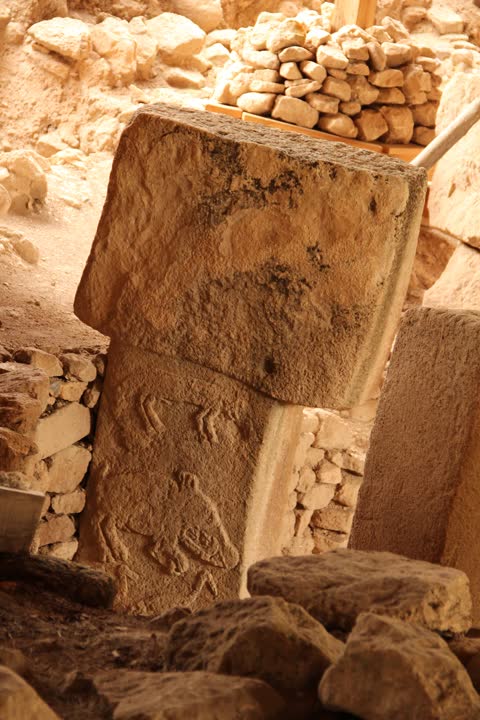 Pillars raised by hunter-gatherers9600 to 8200 BCE · Şanlıurfa Province, Turkey
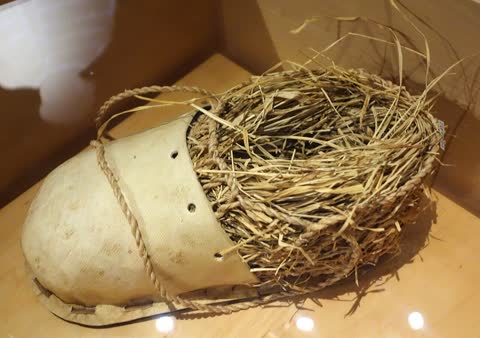 Ötzi, first mistaken for a climberc. 3300 BCE · Ötztal Alps, Italy
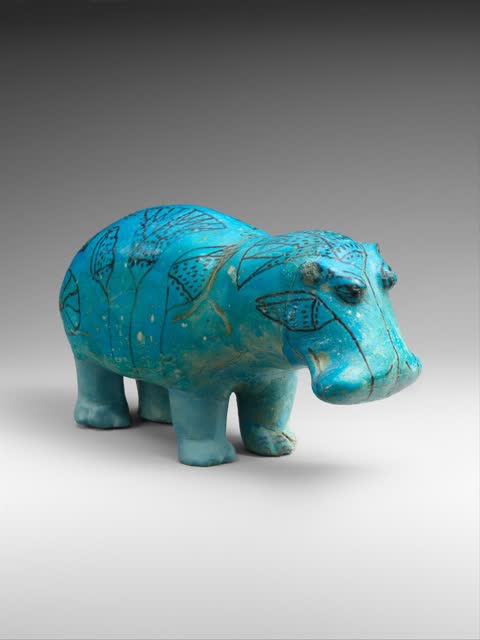 The hippo whose legs were brokenabout 1961 to 1878 BCE · Meir, Upper Egypt
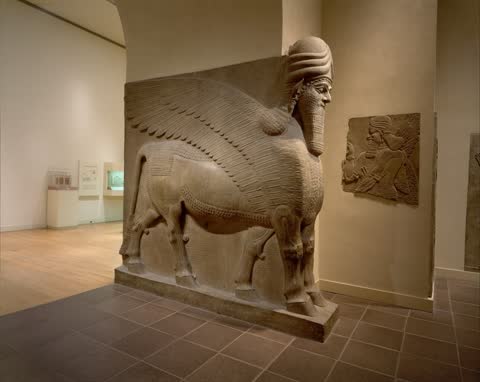 A guardian bull with five legsabout 883 to 859 BCE · Nimrud, Iraq
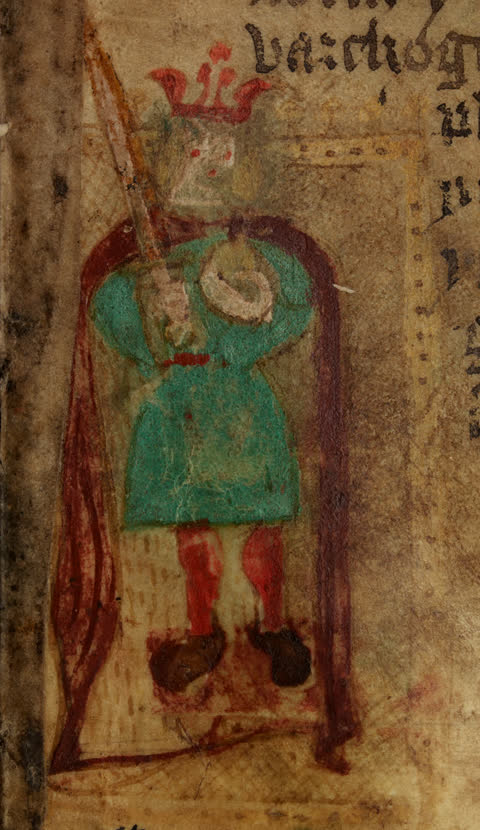 Ambrosius, the leader Gildas named5th century · Britain
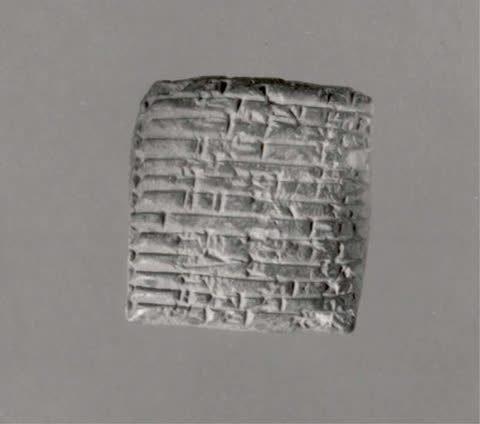 Beer and Onions for Messengersabout 2028 BCE · Umma, Mesopotamia
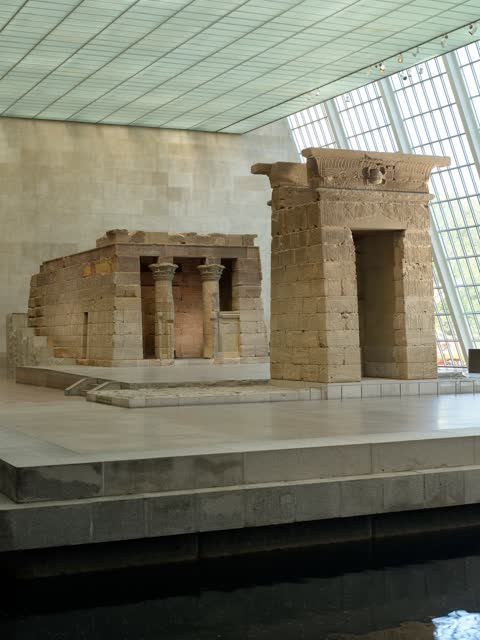 A temple moved to New York10 BCE · Dendur, Nubia, Egypt
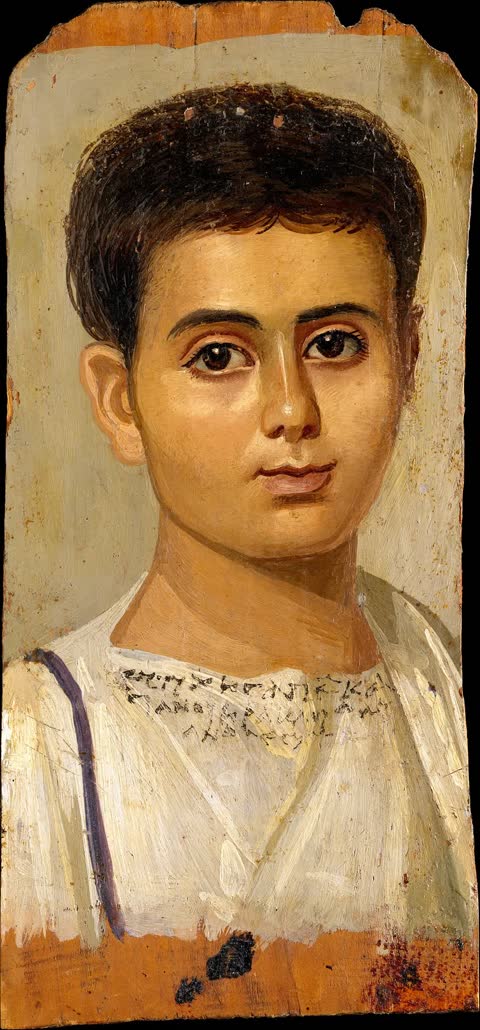 A freed slave looks back100 to 150 CE · Roman Egypt
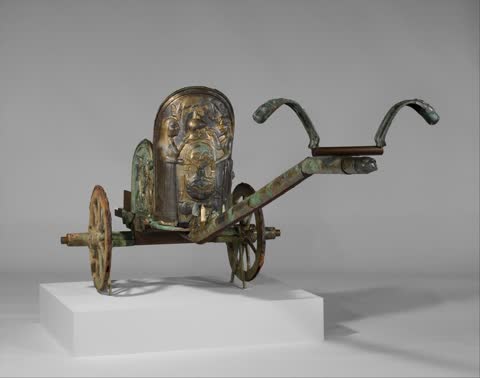 An Etruscan chariot sold abroadmid 6th century BCE · Monteleone di Spoleto, Italy
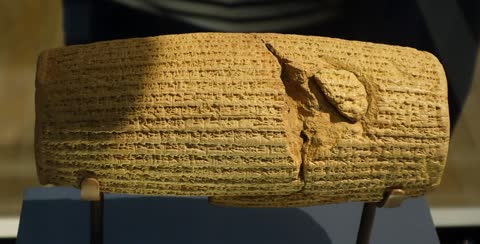 Cyrus's clay cylinder from Babylonabout 539-530 BCE · Babylon, Iraq
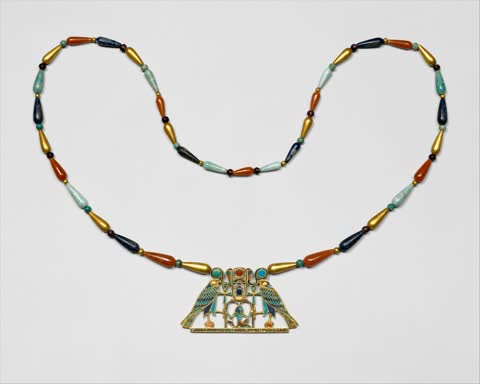 A princess's inlaid pectoralabout 1887 to 1878 BCE · Lahun, Egypt
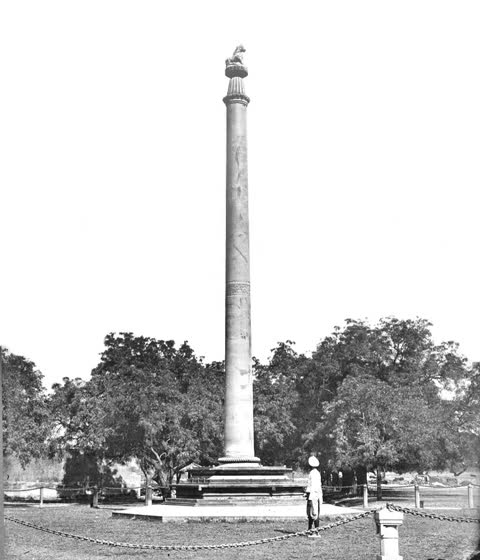 Ashoka's orders, carved in stonec. 250 BCE · Allahabad, India
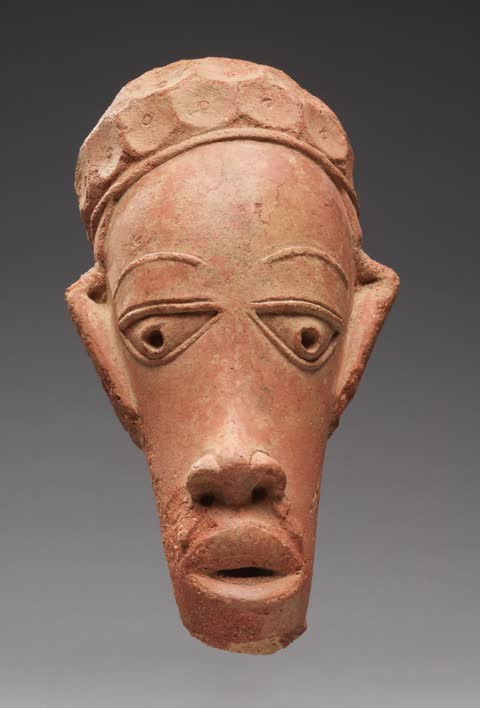 A Nok Head from Nigeria20 to 620 CE · Nigeria
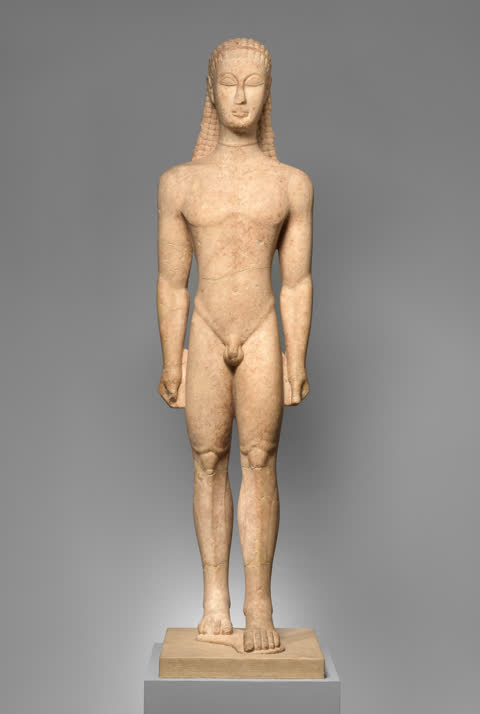 An early marble kouros from Atticaabout 590 to 580 BCE · Attica, Greece
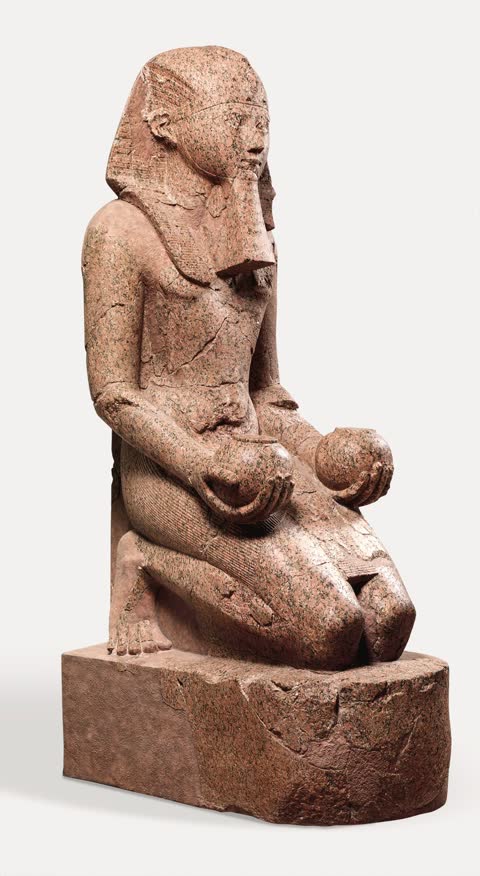 Hatshepsut kneeling with offering jarsabout 1473-1458 BCE · Deir el-Bahri, Egypt
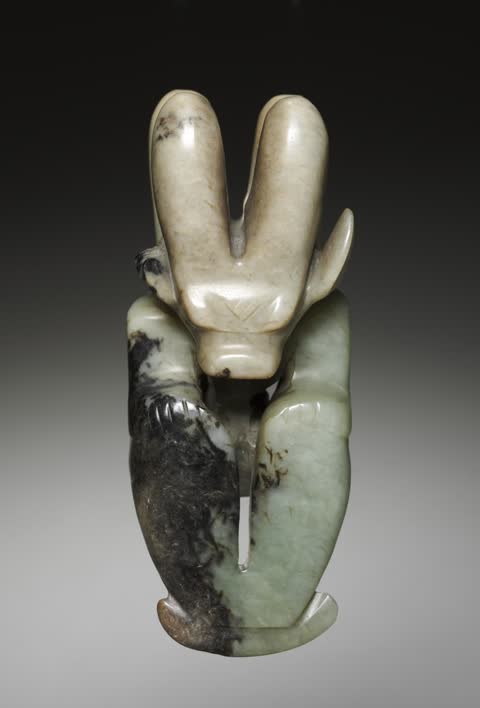 A Four Horned Jade Figureabout 4700 to 2920 BCE · Northeast China
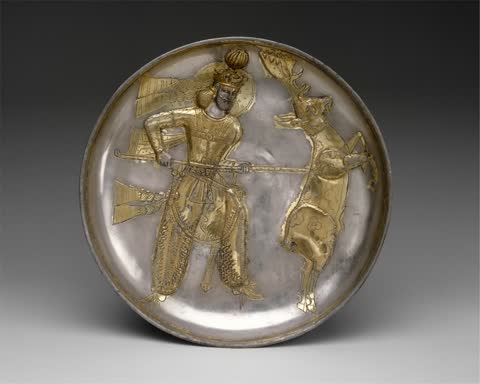 A king spearing a stag, in silverabout 399 to 420 CE · Iran
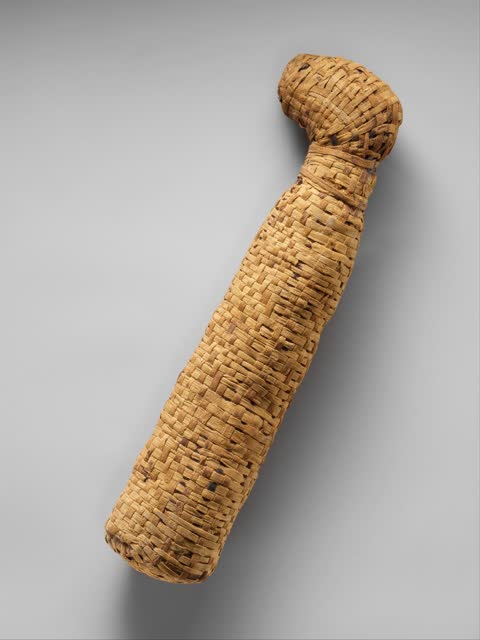 A cat raised to be mummified664 BCE to 1st c. CE · Egypt
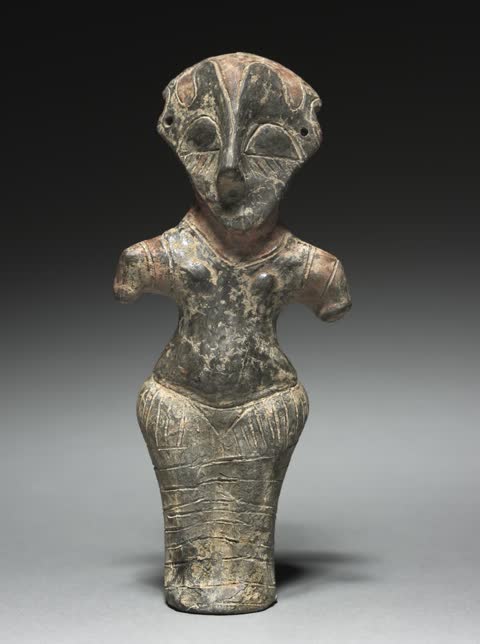 A Neolithic Idol from Vinča4500 to 3500 BCE · Vinca, Serbia
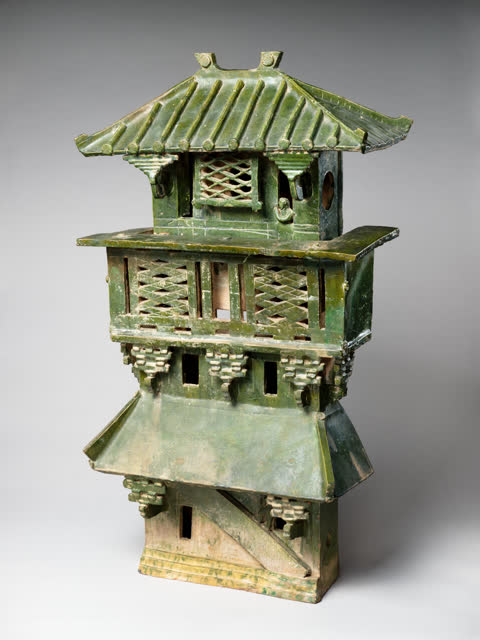 A glazed watchtower for the dead1st to 3rd century CE · China
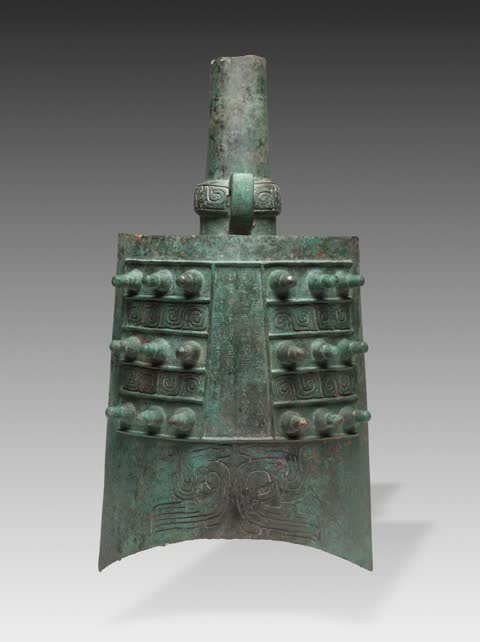 A Bronze Bell with Two Notesabout 800 to 700 BCE · Meixian, China
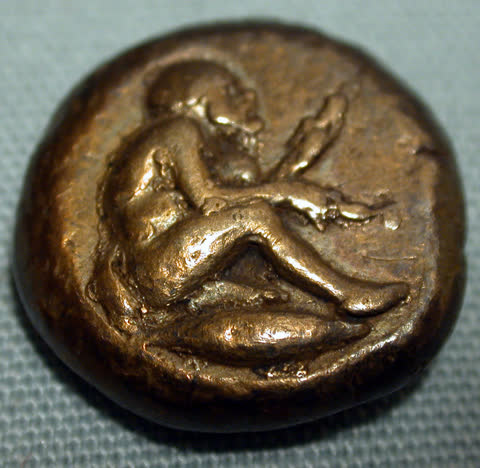 An ancient counterfeit coinabout 600 to 500 BCE · Kyzikos, Mysia
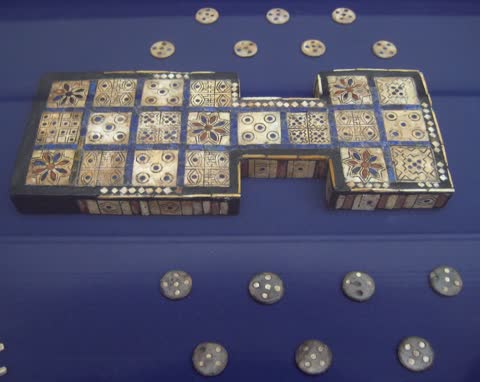 The Royal Game of Urabout 2600 to 2400 BCE · Royal Cemetery at Ur, Iraq
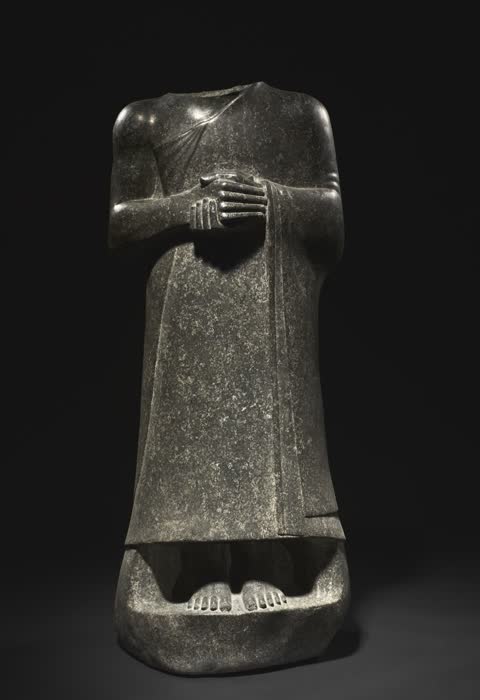 Gudea's statue and its wrong headabout 2144 to 2124 BCE · Girsu, Iraq